
Introduction
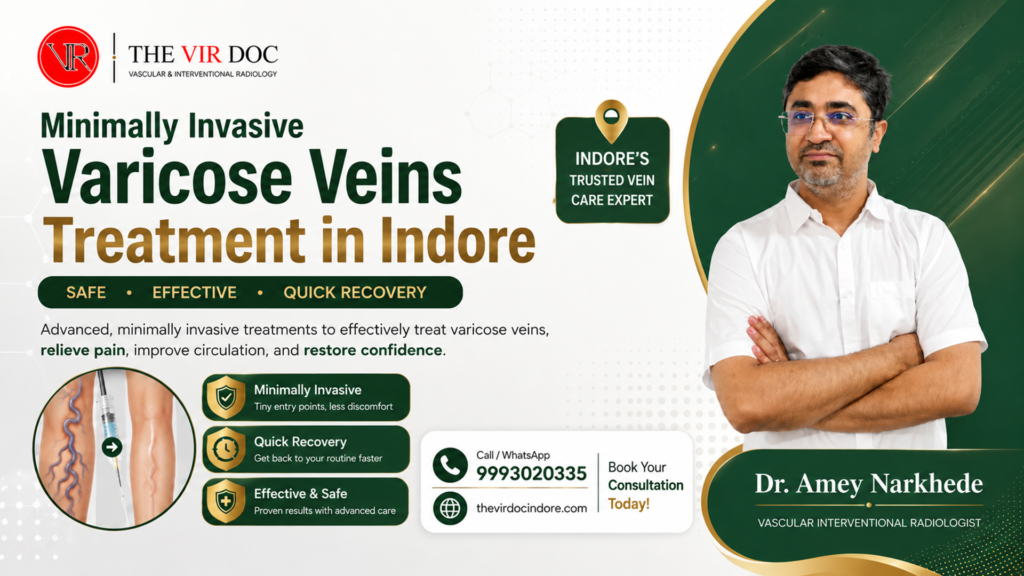
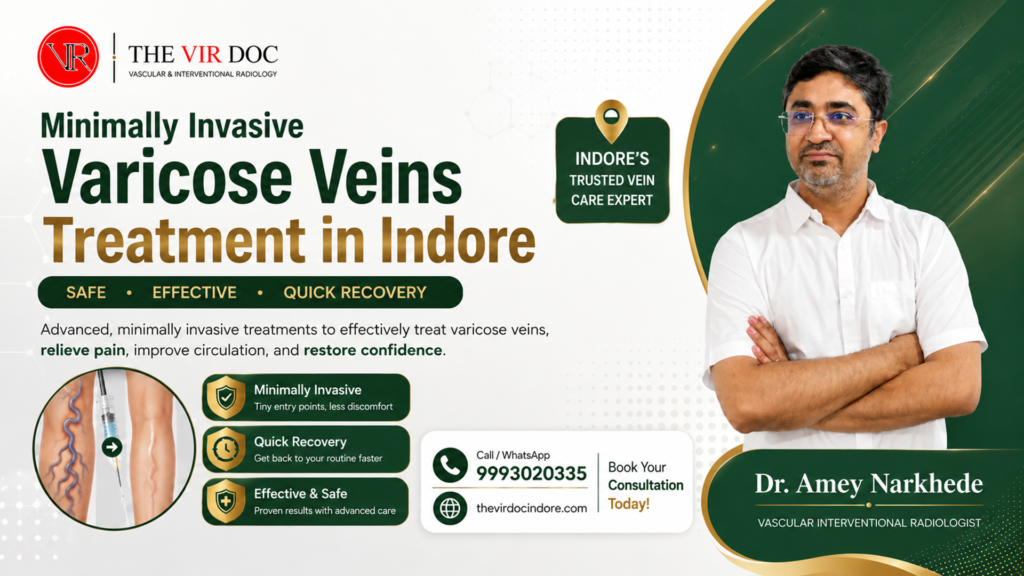
Minimally Invasive Varicose Veins Treatment is a modern medical approach designed to treat enlarged, twisted, and painful veins without traditional surgery. Varicose veins commonly affect the legs due to weakened vein valves that cause blood pooling and swelling. With advancements in interventional radiology and vascular care, patients now have access to safer, quicker, and more effective treatment options.
Unlike conventional vein stripping surgery, non-surgical varicose veins treatment focuses on closing or sealing affected veins using advanced techniques such as laser energy, radiofrequency, or foam injections. These procedures are performed with minimal discomfort and allow patients to return to normal activities much faster.
What is Minimally Invasive Varicose Veins Treatment?
Minimally Invasive Varicose Veins Treatment refers to a group of modern procedures that treat damaged veins without large cuts or stitches. Instead, doctors use small needles, catheters, or laser fibers inserted into the vein.
The most common methods include:
1. Endovenous Laser Ablation (EVLA)
EVLA uses laser energy to heat and close the affected vein. It is one of the most popular laser treatments for varicose veins.
2. Radiofrequency Ablation (RFA)
This technique uses radiofrequency heat to seal the vein and redirect blood flow to healthier veins.
3. Foam Sclerotherapy
A special chemical foam is injected into smaller varicose veins to make them collapse and fade away.
4. Microphlebectomy
Tiny skin punctures are used to remove surface varicose veins without stitches.
Why Patients Prefer Non-Surgical Varicose Veins Treatment
Patients are increasingly choosing varicose veins treatment without surgery due to several advantages:
✔ Minimal Pain
Procedures are performed under local anesthesia, causing very little discomfort.
✔ No Large Cuts or Scars
Unlike traditional surgery, there are no major incisions.
✔ Quick Recovery
Most patients resume normal activities within 24–48 hours.
✔ High Success Rate
Modern treatments have excellent long-term results.
✔ Outpatient Procedure
No hospital admission is required in most cases.
How the Procedure Works
The process of Minimally Invasive Varicose Veins Treatment in Delhi generally follows these steps:
Step 1: Diagnosis
A Doppler ultrasound is used to identify damaged veins and blood flow issues.
Step 2: Planning Treatment
The vascular specialist selects the most suitable method such as EVLA or RFA.
Step 3: Procedure
A thin catheter or laser fiber is inserted into the vein. Energy is delivered to seal the vein from inside.
Step 4: Compression Therapy
A compression stocking is worn to support healing and improve circulation.
Step 5: Recovery
Patients are encouraged to walk immediately after the procedure.
Benefits of Minimally Invasive Varicose Veins Treatment
This modern treatment provides multiple benefits compared to traditional surgery:
- Safe and effective procedure
- No general anesthesia required
- Reduced risk of complications
- Faster return to daily activities
- Improved cosmetic appearance of legs
- Long-lasting relief from pain and swelling
Who Needs Varicose Veins Treatment?
You may require non-surgical varicose veins treatment if you experience:
- Visible bulging veins in legs
- Leg pain or heaviness
- Swelling in ankles or calves
- Burning or itching sensation
- Skin discoloration around veins
- Night cramps or discomfort
Early treatment helps prevent complications like ulcers or blood clots.
Advanced Technology Used
Modern clinics offering Minimally Invasive Vein Treatment in Delhi use:
- Doppler ultrasound imaging
- Laser fiber technology
- Radiofrequency catheters
- Image-guided interventional radiology systems
These technologies ensure precision and safety during the procedure.
Recovery After Treatment
Recovery after EVLA treatment for varicose veins is usually very fast:
- Walking is encouraged immediately
- Mild soreness may last 1–2 days
- Compression stockings are used for 1–2 weeks
- Normal work can be resumed within 1–3 days
Patients are advised to avoid heavy lifting for a short period.
Cost of Minimally Invasive Varicose Veins Treatment
The cost varies depending on:
- Severity of varicose veins
- Type of procedure used (EVLA, RFA, foam)
- Hospital or clinic location
- Doctor’s expertise
Although it may cost more initially than surgery, it reduces long-term recovery expenses and hospital stays.
Why Choose Expert Doctors in Delhi
Choosing the best varicose veins doctor in Delhi ensures:
- Accurate diagnosis
- Advanced minimally invasive techniques
- Better cosmetic results
- Reduced risk of recurrence
- Personalized treatment plan
Delhi is a major hub for advanced vascular and interventional radiology treatments.
Conclusion
Minimally Invasive Varicose Veins Treatment is a breakthrough in modern vascular care. It offers patients a safe, effective, and non-surgical solution for painful and unsightly varicose veins. With techniques like laser ablation, radiofrequency treatment, and sclerotherapy, patients can now enjoy faster recovery and long-lasting relief without undergoing traditional surgery.
FAQ Section
1. What is Minimally Invasive Varicose Veins Treatment?
It is a non-surgical procedure that uses laser, radiofrequency, or injections to treat damaged veins.
2. Is varicose veins treatment painful?
No, it is performed under local anesthesia and causes minimal discomfort.
3. How long does recovery take?
Most patients recover within 1–3 days.
4. Is laser treatment better than surgery?
Yes, laser treatment is safer, quicker, and leaves no large scars.
5. Can varicose veins come back after treatment?
Recurrence is rare but depends on lifestyle and vein health management.