
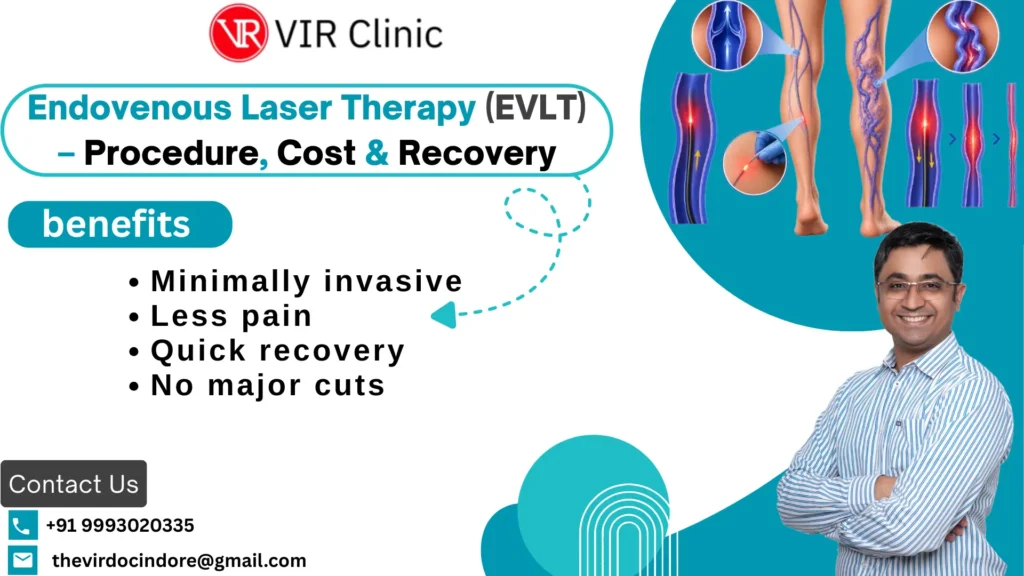
Varicose veins are more than a cosmetic concern. Enlarged, twisted veins can cause aching, heaviness, swelling, itching, burning, skin changes, and, in advanced cases, venous ulcers. Fortunately, modern vascular care offers minimally invasive options that can close the abnormal vein without traditional vein-stripping surgery. One of the commonly used treatments is Endovenous Laser Therapy (EVLT), also called endovenous laser ablation.
EVLT: Procedure, Cost & Recovery is an important topic for anyone considering laser treatment for symptomatic varicose veins. EVLT uses laser energy delivered through a thin catheter to close the diseased vein. Blood is then redirected through healthier veins, while the treated vein gradually becomes less prominent.
The suitability of EVLT depends on the patient’s symptoms, vein anatomy, medical history, and ultrasound findings. A vascular or interventional radiology specialist should evaluate the condition before treatment.
Understanding Varicose Veins: Symptoms, Causes and Diagnosis
Symptoms of Varicose Veins
Varicose veins develop when veins become enlarged and blood flow back toward the heart is impaired. Common symptoms include:
- Bulging or twisted veins visible beneath the skin
- Aching or throbbing in the legs
- Leg heaviness or tiredness
- Swelling around the ankles or lower legs
- Burning or itching sensations
- Muscle cramps, particularly at night
- Skin discoloration around the ankle
- Dry or irritated skin
- Venous ulcers in advanced disease
Some people have visible varicose veins without significant symptoms, while others experience considerable discomfort despite relatively subtle visible changes.
Causes and Risk Factors
The veins in the legs contain valves that help blood move upward toward the heart. When these valves become weak or damaged, blood can pool in the veins, increasing pressure and causing them to enlarge.
Risk factors may include:
- Family history of varicose veins
- Increasing age
- Pregnancy
- Prolonged standing or sitting
- Obesity or excess weight
- Previous venous problems
- Reduced physical activity
Understanding the underlying venous problem is essential before selecting treatment.
Diagnosis
A clinical examination is usually followed by a duplex ultrasound. This non-invasive test helps identify reflux, determine which veins are affected, assess blood flow, and plan treatment.
The ultrasound findings help the specialist decide whether EVLT, radiofrequency ablation, sclerotherapy, compression therapy, or another approach is appropriate. Therefore, EVLT: Procedure, Cost & Recovery should always be considered in the context of an individualized vascular assessment rather than as a one-size-fits-all treatment.
EVLT Treatment: Procedure, Cost & Recovery
What Is EVLT Treatment?
EVLT Treatment is a minimally invasive procedure used to close an incompetent or refluxing vein. Instead of surgically removing the vein, the specialist introduces a thin laser fiber through a small puncture. Laser energy heats the inside of the vein, causing it to seal and eventually shrink.
According to the NHS, endovenous laser treatment uses laser energy delivered through a catheter to heat and close the vein responsible for symptoms, and patients can generally return home the same day.
How Is the Procedure Performed?
The exact technique varies according to the patient’s anatomy and clinical circumstances, but EVLT generally involves:
- Ultrasound mapping: The abnormal vein is identified and marked.
- Local anaesthesia: The treatment area is numbed.
- Small puncture: A needle is used to access the vein.
- Catheter placement: A thin catheter containing the laser fiber is positioned inside the vein.
- Tumescent anaesthesia: Fluid is placed around the vein to provide anaesthesia and protect surrounding tissues.
- Laser activation: Controlled laser energy is delivered as the fiber is gradually withdrawn.
- Vein closure: The treated vein closes, stopping abnormal blood flow.
- Compression: A dressing or compression stocking may be applied.
Ultrasound guidance helps the physician position the treatment device accurately.
EVLT Cost
The EVLT cost can vary substantially between patients and clinics. There is no single price that applies to everyone.
Factors that may influence the cost include:
- Number of veins requiring treatment
- Severity of venous reflux
- Whether one or both legs are treated
- Ultrasound and diagnostic requirements
- Type of laser equipment used
- Doctor’s expertise
- Hospital or day-care facility charges
- Anaesthesia and consumable costs
- Follow-up requirements
- Additional treatment such as sclerotherapy
Patients should therefore ask for an individualized estimate after the diagnostic evaluation rather than relying on a generic online price.
Is EVLT Painful?
Most patients receive local anaesthesia, which significantly reduces discomfort during the procedure. Some people may experience pressure, mild pulling, warmth, bruising, or tenderness afterward.
Pain levels vary from person to person, so the treating specialist should explain what to expect based on the planned procedure.
Possible Risks
EVLT is minimally invasive, but no medical procedure is completely risk-free. Potential complications may include bruising, tenderness, inflammation along the treated vein, temporary numbness or tingling, skin discoloration, infection, or—less commonly—blood clots. Rare complications such as skin burns or nerve injury can also occur.
Patients should immediately contact their healthcare provider if they develop concerning symptoms such as significant leg swelling, severe pain, fever, breathing difficulty, or other unexpected symptoms after treatment.
Benefits, Recovery and Comparison With Other Treatments
Benefits of EVLT
For appropriately selected patients, Laser Treatment for Varicose Vein offers several potential advantages:
- Minimally invasive technique
- Very small access point
- No traditional surgical vein stripping
- Local anaesthesia in many cases
- Usually performed as a day-care procedure
- Less tissue trauma than open surgery
- Short recovery period
- Can improve symptoms caused by venous reflux
- May improve the appearance of prominent veins
The primary goal, however, is not simply cosmetic improvement. Treating the underlying abnormal venous reflux can help relieve symptoms and manage complications associated with venous disease.
Recovery After EVLT
Recovery is generally faster than recovery from traditional open surgery. Many patients can walk soon after the procedure and return to routine activities relatively quickly, depending on their individual circumstances. The NHS notes that people can generally return to most usual activities straight away, although compression stockings may be recommended for a period after treatment.
Your doctor may advise you to:
- Walk regularly after the procedure
- Avoid prolonged periods of sitting or standing initially
- Wear compression stockings if prescribed
- Keep follow-up appointments
- Take prescribed medicines as directed
- Avoid strenuous activity for the period recommended by your doctor
Mild bruising, tightness, or tenderness can occur and generally improves as healing progresses.
EVLT vs Radiofrequency Ablation
Both EVLT and radiofrequency ablation use heat to close an abnormal vein. EVLT uses laser energy, while radiofrequency ablation uses radiofrequency energy.
Both are minimally invasive options, but the best choice depends on vein anatomy, clinical findings, equipment availability, and physician experience.
EVLT vs Sclerotherapy
Sclerotherapy involves injecting a medicine into a vein to make it close. It may be particularly useful for certain smaller veins or as an additional treatment after treating a larger refluxing vein.
The appropriate combination depends on the patient’s ultrasound findings and treatment goals.
EVLT vs Traditional Surgery
Traditional vein stripping involves surgically removing the problematic vein. EVLT uses a catheter and thermal energy to close the vein from within, generally resulting in smaller access wounds and a shorter recovery period.
The choice should be based on medical suitability rather than assuming that minimally invasive treatment is automatically appropriate for every patient.
About Dr. Amey Narkhede and VIR Clinic
Dr. Amey Narkhede is a Vascular Interventional Radiologist associated with VIR Clinic in Indore. His qualifications include MBBS, DNB in Radio Diagnosis, and Fellowship in Vascular & Interventional Radiology (FVIR). His professional profile lists endovenous laser treatment of varicose veins among his treatment areas.
At VIR Clinic, Dr. Narkhede focuses on image-guided, minimally invasive vascular and interventional procedures. The clinic’s listed treatments include:
- Varicose vein treatment and EVLT
- Embolization procedures
- Balloon angioplasty and stenting
- Radiofrequency ablation
- Chemo-embolization
- Radio-embolization
- Vascular interventions
- Thrombolysis
- IVC filter procedures
- Dialysis-related vascular interventions
VIR Clinic is located at 19 Ravindra Nagar, Indore, Madhya Pradesh. Its approach emphasizes minimally invasive, image-guided treatment and personalized care.
Frequently Asked Questions About EVLT
1. What is EVLT Treatment?
EVLT Treatment is a minimally invasive procedure that uses laser energy to close an abnormal vein responsible for venous reflux and varicose veins. Blood then naturally redirects through healthier veins.
2. Is EVLT a surgical procedure?
EVLT is considered minimally invasive rather than traditional open surgery. It generally requires only a small puncture to introduce the treatment catheter.
3. How long does EVLT take?
The treatment time varies depending on the number and location of veins being treated. The procedure itself may often be completed within about an hour, although preparation and observation add to the overall visit.
4. How quickly can I walk after EVLT?
Walking is generally encouraged after treatment, and many patients are able to walk shortly after the procedure. Your specialist will provide personalized activity instructions.
5. How long is EVLT recovery?
Recovery varies, but many patients return to routine activities quickly. Bruising, tenderness, and tightness may persist temporarily while the treated vein heals.
6. Is EVLT treatment permanent?
EVLT closes the treated vein, but it cannot guarantee that new varicose veins will never develop. Other veins may become incompetent over time, so follow-up and appropriate lifestyle measures remain important.
7. Is EVLT better than radiofrequency ablation?
Neither treatment is universally better. Both are established minimally invasive thermal ablation techniques. Your doctor can recommend the most appropriate option after examining your veins and ultrasound findings.
8. Does EVLT leave scars?
Because EVLT usually uses a tiny puncture rather than a large surgical incision, significant scarring is generally avoided. A small mark may remain at the access site.
9. Who is a candidate for EVLT?
Patients with symptomatic venous reflux may be candidates, but eligibility depends on duplex ultrasound findings, vein anatomy, overall health, and previous treatments. A vascular specialist should make the final recommendation.
Conclusion
EVLT: Procedure, Cost & Recovery provides an overview of one of the important minimally invasive options available for appropriately selected patients with varicose veins. By using laser energy to close the problematic vein, EVLT can address abnormal venous blood flow without traditional vein stripping.
The treatment may offer advantages such as small access points, reduced tissue trauma, rapid mobility, and a relatively short recovery period. However, the right treatment depends on the individual’s symptoms, ultrasound findings, vein anatomy, and medical history.
For patients considering Laser Treatment for Varicose Vein, an experienced vascular interventional radiologist can assess the underlying cause and explain whether EVLT, radiofrequency ablation, sclerotherapy, or another treatment would be most suitable.
Book an appointment with Dr. Amey Narkhede – Vascular Interventional Radiologist at VIR Clinic, Indore, for a personalized evaluation of your varicose veins and minimally invasive treatment options.
Call VIR Clinic: +91 99930 20335 or visit the clinic at 19 Ravindra Nagar, Indore, Madhya Pradesh.