
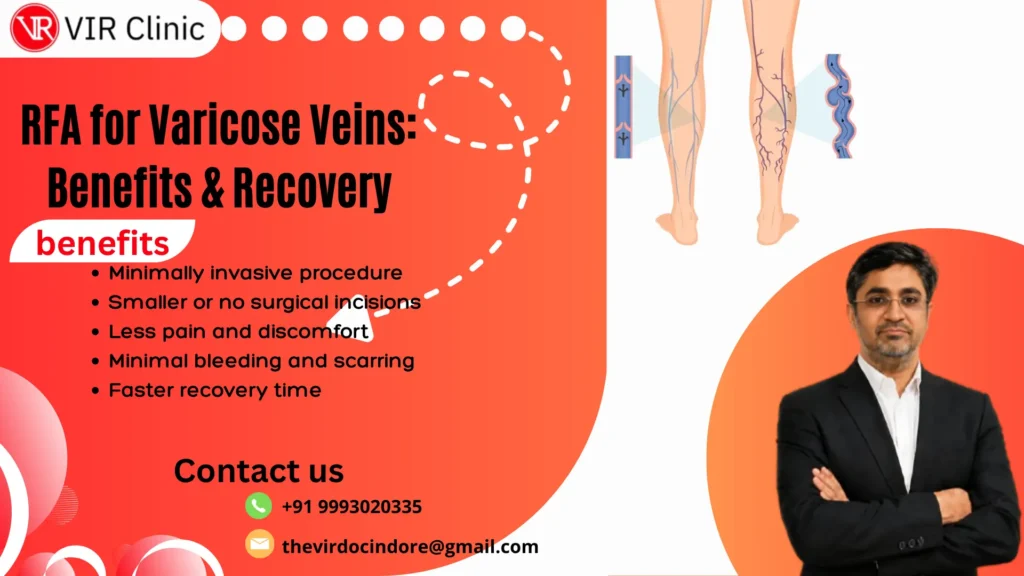
Varicose veins are enlarged, twisted veins that most commonly appear in the legs. They can cause visible bulging veins, aching, heaviness, swelling, itching, cramps, and discomfort, particularly after prolonged standing or sitting. While mild varicose veins may initially seem like a cosmetic concern, persistent symptoms can affect mobility and quality of life and, in some cases, may be associated with complications.
Modern Varicose Veins Treatment has shifted toward minimally invasive procedures that close the problematic vein while allowing blood to flow through healthier veins. One of the commonly used techniques is radiofrequency ablation (RFA). This procedure uses controlled heat to seal an abnormal vein from within, reducing reflux and improving circulation.
RFA for Varicose Veins: Benefits & Recovery is an important topic for patients considering an alternative to traditional vein surgery. RFA is generally performed through a small catheter rather than a large incision, which can mean less discomfort, faster recovery, and an earlier return to everyday activities for appropriately selected patients.
Varicose Veins: Symptoms, Causes & Diagnosis
Symptoms of Varicose Veins
Symptoms can vary from mild visible veins to significant discomfort. Common signs include:
- Enlarged, twisted or rope-like veins
- Aching or throbbing in the legs
- Leg heaviness or tiredness
- Swelling around the ankles or lower legs
- Itching or burning around affected veins
- Muscle cramps, particularly at night
- Skin discoloration around the ankle
- Symptoms that worsen after standing for long periods
Some people have prominent veins without symptoms, while others experience considerable discomfort despite relatively subtle visible changes.
What Causes Varicose Veins?
Healthy leg veins contain valves that help blood travel upward toward the heart. When these valves become weak or damaged, blood can flow backward and accumulate within the vein. This condition is commonly called venous reflux or venous insufficiency.
Factors that may increase the likelihood of developing varicose veins include:
- Family history of venous disease
- Increasing age
- Pregnancy
- Prolonged standing or sitting
- Obesity or excess body weight
- Previous vein problems
- Reduced physical activity
- Hormonal factors
Understanding the underlying cause is essential before deciding on treatment.
How Are Varicose Veins Diagnosed?
A vascular specialist generally begins with a medical history and physical examination. Duplex ultrasound is an important diagnostic test because it can show blood flow, identify venous reflux, and determine which veins are contributing to the problem.
A detailed assessment helps the doctor decide whether conservative management, RFA, another minimally invasive treatment, or a different approach is more appropriate.
RFA for Varicose Veins: Benefits & Recovery — Treatment and Procedure
RFA for Varicose Veins: Benefits & Recovery involves using radiofrequency energy to heat and close an unhealthy vein. The blood is then naturally redirected through other healthy veins.
RFA is a type of Minimally Invasive Varicose Veins Treatment and is commonly performed as an outpatient procedure.
How Is RFA Performed?
The procedure generally involves the following steps:
- Ultrasound mapping: The doctor identifies the affected vein and plans the treatment pathway.
- Local anaesthesia: The treatment area is numbed to improve comfort.
- Catheter insertion: A thin catheter is introduced into the targeted vein through a small puncture.
- Tumescent anaesthesia: Local anaesthetic fluid is placed around the vein to provide additional comfort and protect surrounding tissues.
- Radiofrequency energy: Controlled thermal energy is delivered through the catheter.
- Vein closure: The treated vein contracts and seals.
- Catheter removal: The catheter is withdrawn and the small entry point is covered.
The exact technique and treatment time vary depending on the number, size, and location of the veins being treated.
Is RFA Painful?
Most patients experience little discomfort because local anaesthesia is used. Some people may feel pressure, pulling, warmth, or mild discomfort during the procedure. Temporary soreness or tightness can occur afterward.
Who May Benefit From RFA?
RFA may be considered for patients with symptomatic varicose veins associated with venous reflux, particularly when an affected superficial vein is suitable for endovenous treatment.
However, RFA is not automatically appropriate for every patient. A vascular specialist should assess the veins using clinical examination and ultrasound before recommending treatment.
RFA for Varicose Veins: Benefits & Recovery — Key Benefits
RFA for Varicose Veins: Benefits & Recovery can be attractive to patients because it avoids the larger incisions associated with traditional vein stripping.
Potential benefits include:
Minimally Invasive Approach
RFA is performed through a small puncture rather than a large surgical incision. This generally results in less tissue disruption.
Less Post-Procedure Discomfort
Compared with traditional surgical vein stripping, endovenous ablation techniques are generally associated with less postoperative pain and bruising.
Short Treatment Time
RFA is typically performed as an outpatient procedure, allowing many patients to return home the same day.
Faster Return to Routine
Many appropriately selected patients can resume normal daily activities relatively quickly, although the exact recovery period depends on the individual and the doctor’s instructions.
Effective Closure of the Abnormal Vein
The goal of RFA is to close the vein responsible for reflux. Once closed, blood is redirected through healthier veins.
Improved Symptoms
Successful treatment may help reduce symptoms such as aching, heaviness and swelling associated with venous reflux.
Cosmetic Improvement
As the treated vein closes and gradually becomes less prominent, the appearance of visible varicose veins may improve. Additional treatments may sometimes be required for smaller surface veins.
It is important to remember that no treatment guarantees that new varicose veins will never develop. Venous disease can be a chronic condition, and long-term follow-up may be beneficial.
RFA for Varicose Veins: Benefits & Recovery — Recovery, Comparison & FAQs
What Is Recovery Like After RFA?
One of the major advantages of RFA for Varicose Veins: Benefits & Recovery is that recovery is generally shorter than recovery from traditional vein surgery.
Patients may experience mild soreness, tightness, bruising or tenderness along the treated vein. These symptoms commonly improve as healing progresses.
Your doctor may recommend:
- Walking soon after the procedure
- Avoiding prolonged inactivity
- Wearing compression stockings when advised
- Keeping follow-up appointments
- Taking prescribed or recommended medication as directed
- Avoiding strenuous exercise for the period recommended by the treating specialist
Walking is particularly important because movement supports healthy blood circulation and reduces prolonged periods of inactivity.
RFA vs Traditional Varicose Vein Surgery
| Feature | RFA | Traditional Vein Stripping |
| Approach | Minimally invasive | Surgical |
| Incisions | Small puncture/incision | Larger surgical incisions |
| Anaesthesia | Usually local/tumescent | Often requires more extensive anaesthesia |
| Recovery | Generally quicker | Generally longer |
| Post-treatment discomfort | Usually limited | Can be greater |
| Hospital stay | Often outpatient | May require more observation depending on procedure |
| Return to activities | Usually earlier | Often takes longer |
The best treatment depends on the patient’s anatomy, symptoms, ultrasound findings, overall health, and treatment goals.
FAQs About RFA for Varicose Veins
1. What is RFA for varicose veins?
RFA is an endovenous procedure that uses controlled radiofrequency heat to close an abnormal vein affected by venous reflux.
2. Is RFA a minimally invasive treatment?
Yes. RFA is a Minimally Invasive Varicose Veins Treatment performed through a small access point rather than a large surgical incision.
3. How long does RFA take?
The duration varies according to the veins being treated and whether additional procedures are needed. Your specialist can provide an individualized estimate after an ultrasound assessment.
4. Can I walk after RFA?
Walking is generally encouraged soon after treatment unless your doctor gives different instructions. Your treating specialist will advise you about activity levels.
5. When can I return to work after RFA?
Many patients return to routine activities relatively quickly, but the timing depends on the nature of their work, symptoms, and individual recovery.
6. Are there risks associated with RFA?
As with any medical procedure, RFA has potential risks. These can include bruising, discomfort, skin irritation, nerve-related symptoms, infection, bleeding, thrombosis and recurrence. Your doctor should explain the risks relevant to your situation before treatment.
7. Will RFA remove all visible varicose veins?
Not necessarily. RFA primarily treats the underlying refluxing vein. Smaller surface veins may require additional treatment depending on their appearance and symptoms.
8. Do varicose veins come back after RFA?
RFA effectively closes the treated vein, but new venous reflux or varicose veins can develop over time. Follow-up and management of underlying venous disease are therefore important.
9. How do I know whether RFA is right for me?
A vascular specialist can determine whether you are a suitable candidate after reviewing your symptoms, medical history and duplex ultrasound findings.
Why Choose Dr. Amey Narkhede for Minimally Invasive Vein Treatment?
Choosing an experienced specialist is an important part of successful Varicose Veins Treatment. Dr. Amey Narkhede, Vascular Interventional Radiologist, focuses on minimally invasive treatment approaches and evaluates patients individually before recommending an appropriate procedure.
At VIR Clinic, patients can receive evaluation and treatment planning for vascular conditions, including minimally invasive approaches for varicose veins. The treatment plan is based on clinical assessment and imaging rather than using the same procedure for every patient.
If you are experiencing painful, swollen, heavy or visibly enlarged leg veins, professional evaluation can help identify whether venous reflux is present and whether RFA or another treatment is appropriate.
Conclusion
RFA for Varicose Veins: Benefits & Recovery offers a modern approach to treating symptomatic venous reflux without the larger incisions associated with traditional vein surgery. By using controlled radiofrequency energy to close the problematic vein, RFA can provide effective treatment with a minimally invasive approach and generally shorter recovery.
The right Varicose Veins Treatment depends on your symptoms, vein anatomy, ultrasound findings and overall health. Early assessment can also help identify venous disease before symptoms become more troublesome.
If you are looking for a Minimally Invasive Varicose Veins Treatment, consult a qualified vascular specialist to understand your options.
Book an Appointment With Dr. Amey Narkhede
Take the next step toward professional evaluation of your varicose veins. Book an appointment with Dr. Amey Narkhede – Vascular Interventional Radiologist | Best Doctor for Minimally Invasive Treatments | VIR Clinic to discuss your symptoms, undergo appropriate vascular assessment, and learn whether RFA or another treatment approach is suitable for you.